
Conductivity Electrode Selector
There are many types of Conductivity cell or Electrode and they all are designed with a particular purpose in mind. You will need a different cell for de-ionised water measurement than the type used for measuring salt in food or aggregates.
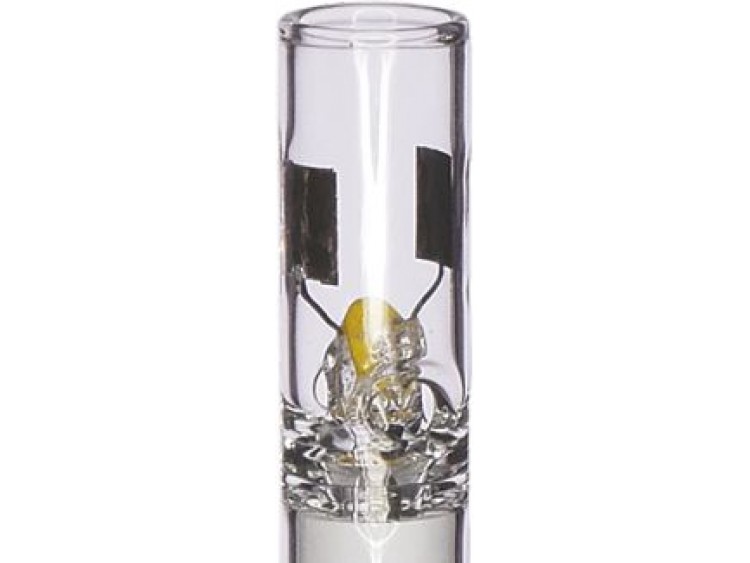
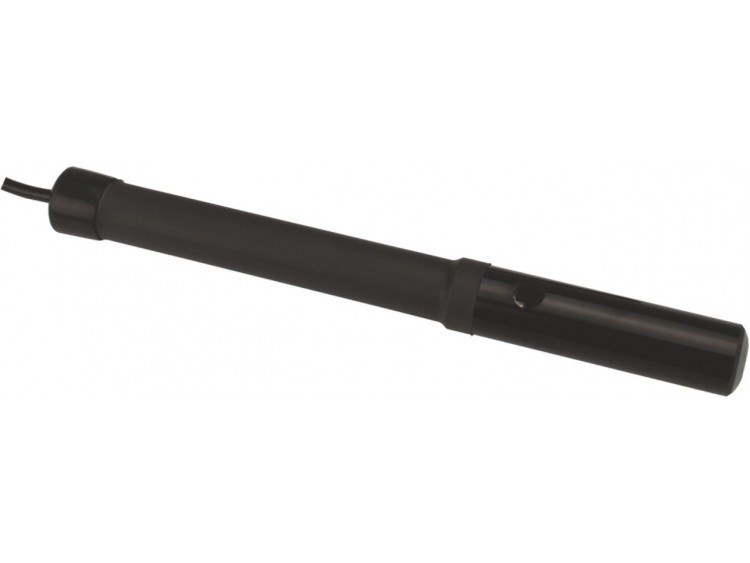
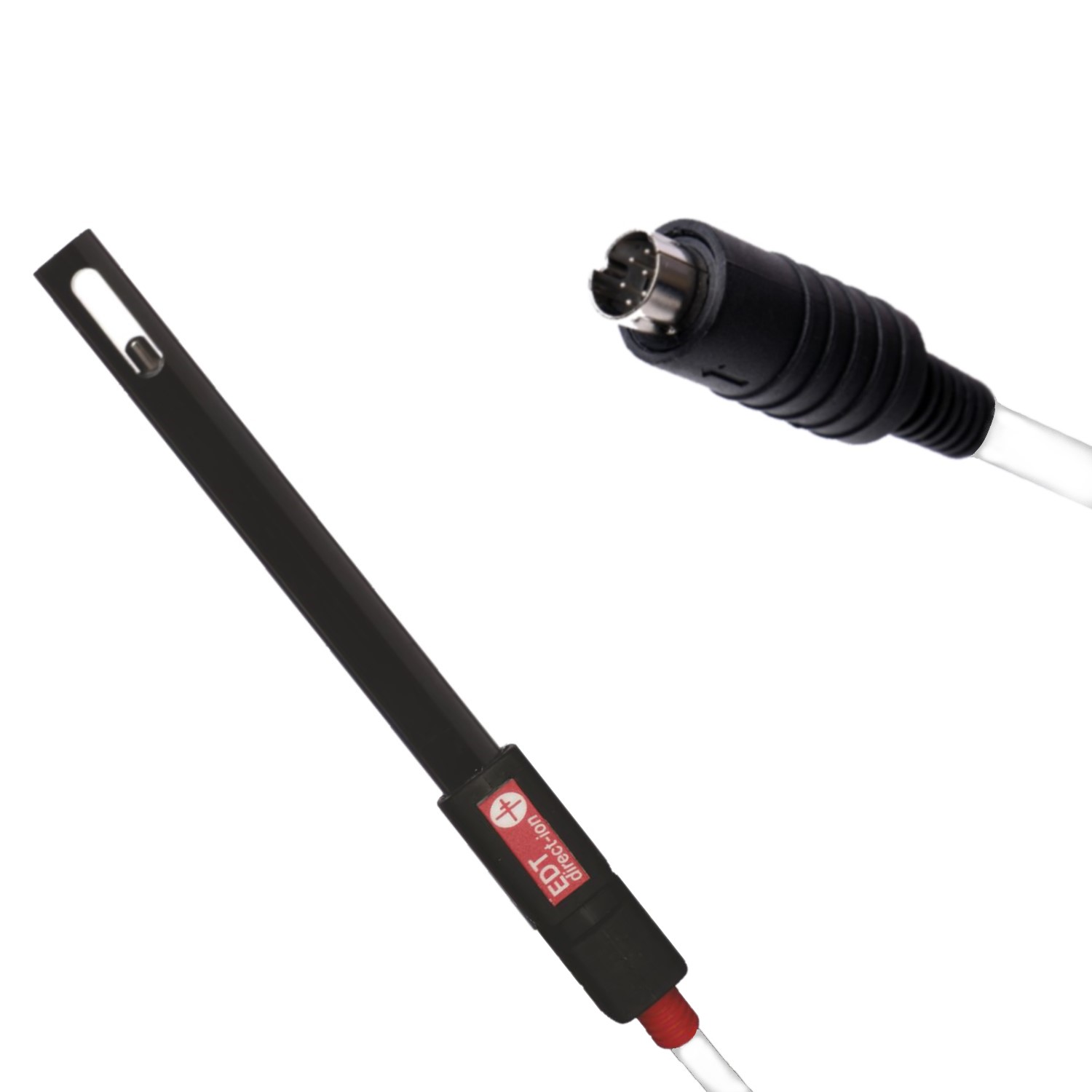
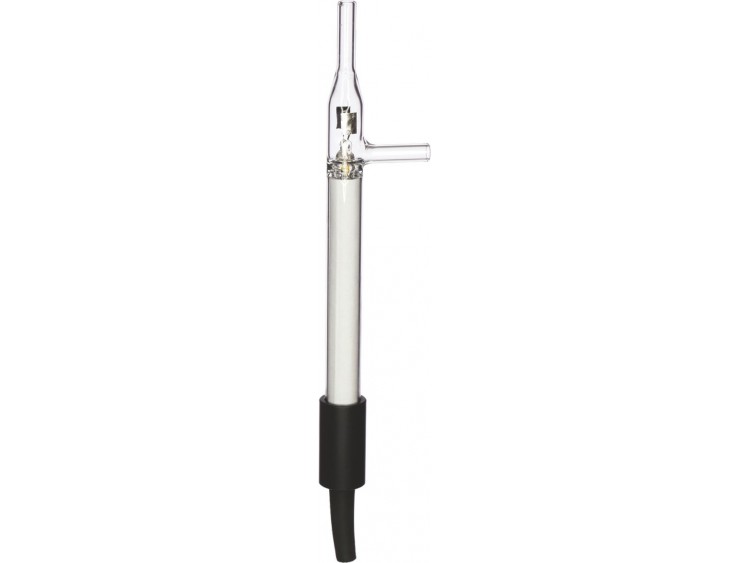
| Conductivity Electrode Selector | ||||||||
| Application | E8074 | E8075 | E5019 | A6000 | A6000/ATC | E8070 | E5010 | A5005 |
| Laboratory Aqueous Samples | x | x | ||||||
| Pure Water | x | |||||||
| Salt in Aggregates | x | |||||||
| Field testing | x | x | ||||||
| Continuous monitoring | x | x | ||||||
| Continuous work with ATC | x | |||||||
| Flash Chromatography | x | x | ||||||
| Dirty Samples | x | x | ||||||
| Mixing and measuring | x | |||||||
| Acids and bases | x | |||||||
| Solvents | x | |||||||
| Storage: All conductivity cells should be rinsed with deionised water after use and stored dry in their box. | ||||||||
|
If the probe has to be stored in the lab ready for immediate use store in a beaker of DI water. |
||||||||
| Cleaning: Clean with deionised water and dab dry. If there is sample contamination clean with warm water and detergent. | ||||||||
| Rinse thoroughly with deionised water | ||||||||
| If contaminated by organic material rinse with solvent and then deionised water. | ||||||||
| Never physically scratch the active black plates on the Glass cells as this is the active area. | ||||||||